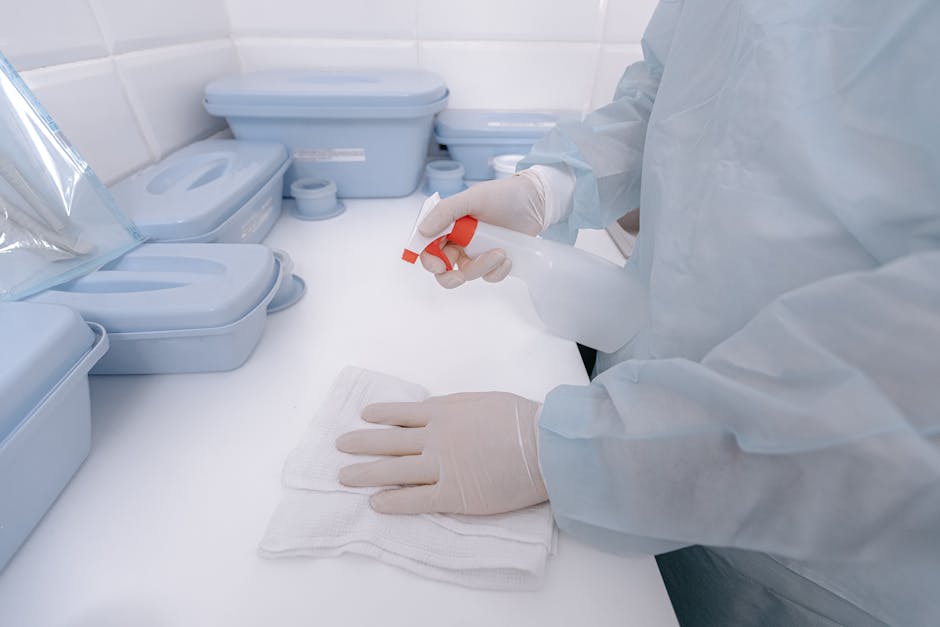
Harley Street clinic cleaning standards in Marylebone
Posted on 30/04/2026
Harley Street has a reputation to protect. In Marylebone, that matters because clinics here are not just cleaning a room and calling it a day; they are maintaining an environment where patients expect discretion, immaculate presentation, and a real sense of safety. Whether the space is a dental practice, aesthetic clinic, GP surgery, physiotherapy room, or consulting suite, Harley Street clinic cleaning standards in Marylebone have to support both infection control and the quiet professionalism that patients notice the moment they walk in.
Let's face it, a clinic can have excellent clinicians and still lose trust if the reception desk looks dusty, the treatment chair feels sticky, or the washroom is not quite right. In a place like Harley Street, that first impression is everything. This guide explains what those standards should look like, how they are normally delivered, what good practice means in real life, and how to choose a cleaning approach that actually holds up under pressure.
If you are comparing options, managing a practice, or simply trying to understand what "clinical clean" really means, you are in the right place. For a wider view of the services available locally, you may also find our services overview useful, along with our pages on office cleaning in Marylebone and carpet cleaning in Marylebone for shared or mixed-use premises.
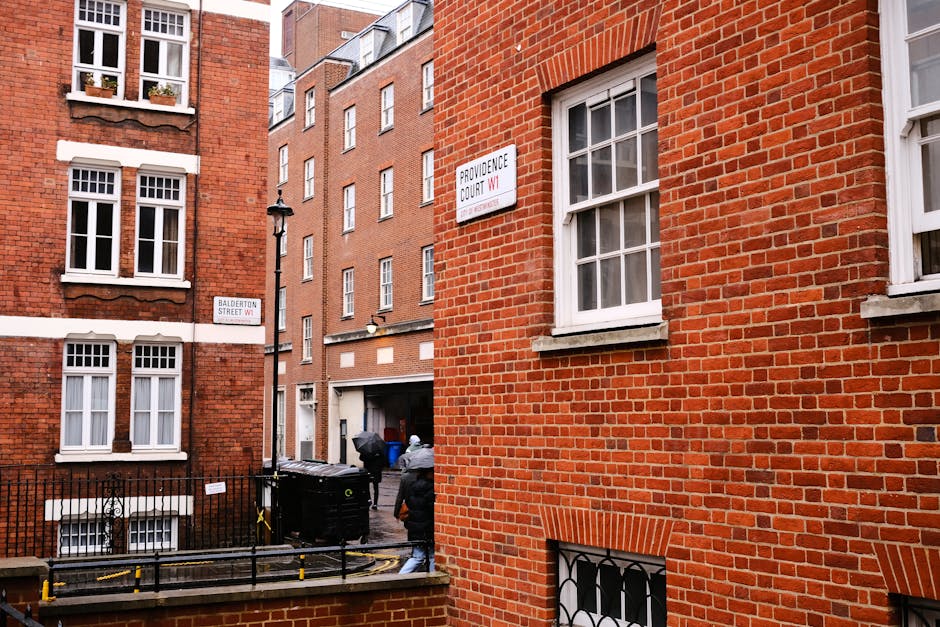
Why Harley Street clinic cleaning standards in Marylebone matters
Harley Street is one of London's best-known medical districts, so expectations are naturally high. Patients often arrive already nervous, tired, or focused on a specific concern. The surroundings do a lot of the talking before anyone says hello. A spotless waiting room, a fresh scent in the air, clean glass, and a well-kept treatment area all help create confidence. None of that is cosmetic fluff. It supports trust.
In practice, clinic cleaning standards matter for four big reasons:
- Patient confidence: people are more likely to feel comfortable in a space that looks and feels properly cared for.
- Infection control: cleaning is one layer of a wider hygiene process that helps reduce contamination risks.
- Professional reputation: on Harley Street, presentation is part of the brand, whether a clinic is independent or part of a larger group.
- Operational continuity: clear cleaning systems reduce avoidable disruption, complaints, and last-minute scrambles.
There is also the Marylebone context. This is a busy, polished area with a mixture of private clinics, offices, residential buildings, and hospitality venues. The pace is quick, access can be tight, and many clinics operate around full appointment books. That means cleaning has to be efficient, quiet, and reliable. Nobody wants a vacuum roaring away while a patient is in the waiting area, and nobody wants the smell of a heavy chemical lingering before an appointment.
In our experience, the best clinic cleaning arrangements are not the most dramatic ones. They are the ones that become invisible because everything just works. Fresh consumables appear, bins are emptied before they become noticeable, touchpoints are wiped down at the right time, and the place never slips into that slightly "off" state that patients somehow sense straight away. Strange, maybe, but true.
How Harley Street clinic cleaning standards in Marylebone works
A proper clinic cleaning standard is usually built around a risk-based routine rather than a one-size-fits-all checklist. That means the cleaner looks at which areas are low risk, high traffic, or clinically sensitive, then sets cleaning frequencies and methods accordingly. A reception desk, a consultation room, a toilet, and a treatment room should not all be cleaned the same way or with the same priority.
At a practical level, the process often includes:
- Site assessment: understanding the layout, surfaces, patient flow, opening hours, and any sensitive equipment or restricted areas.
- Task zoning: splitting the clinic into spaces such as reception, corridors, clinical rooms, staff areas, washrooms, and storage.
- Frequency planning: daily, between-patient, weekly, and periodic deep-clean tasks.
- Method control: using the correct cloth colour system, disinfectant contact times, and disposable or reusable materials where appropriate.
- Documentation: cleaning logs, sign-off sheets, and escalation notes where issues are found.
That might sound very procedural, and in fairness it is. But procedure is what keeps standards steady when the clinic gets busy. A cleaner working from memory alone can miss small but important details. A structured routine is better. Much better.
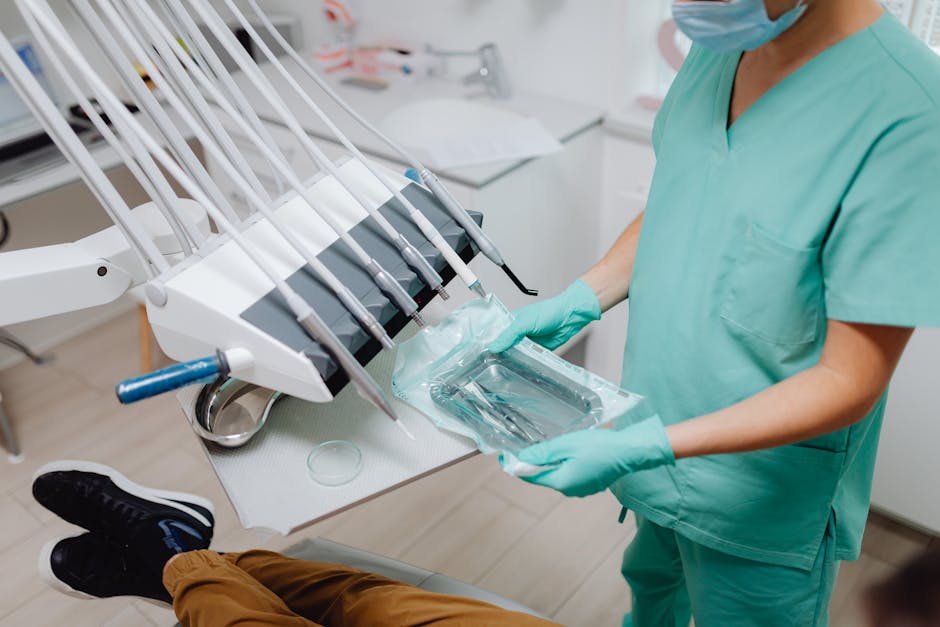
The actual day-to-day cleaning usually covers visible dirt first, then hygienic cleaning of touchpoints and sanitary areas, then any higher-risk tasks based on the clinic's needs. If the space includes specialist rooms, the cleaning plan should be coordinated with the practice manager or clinical lead so nothing interferes with clinical workflows or sterile processes. Cleaning never replaces clinical sterilisation. It supports it.
For clinics that share space with offices or admin areas, it can help to combine clinical requirements with wider commercial cleaning standards. Our office cleaning Marylebone page is a good reference point for the non-clinical side of a mixed-use premises, while domestic cleaning in Marylebone and house cleaning may be useful if staff accommodation or private-use areas need separate attention.
Key benefits and practical advantages
The obvious benefit is cleanliness, but the real value goes deeper than that. Good clinic cleaning protects the daily experience of everyone in the building. It makes the clinic feel calmer, safer, and more organised. That can make a noticeable difference on a rainy Monday morning when the waiting room is full and everyone is a bit frazzled.
Here are the main advantages:
- Better patient experience: people notice clean floors, tidy surfaces, and fresh washrooms immediately.
- Reduced complaint risk: poor presentation is one of the easiest things for a patient to spot and remember.
- More reliable compliance support: a structured cleaning plan helps the practice demonstrate good housekeeping and due care.
- Longer life for fixtures and finishes: regular correct cleaning helps protect flooring, upholstery, glass, and worktops.
- Less staff stress: when cleaning is consistent, the team does not have to keep patching gaps by hand.
There is also a commercial advantage that is sometimes overlooked. Clinics in Harley Street compete on more than expertise alone. Presentation, trust, and discretion all shape how patients compare one practice with another. A clinic that feels cared for tends to feel more credible. That is just how people work, even if they do not say it out loud.
For practices with carpeted reception areas, waiting rooms, or private offices, routine maintenance can also preserve appearance between deeper cleans. If that is relevant to your premises, our Marylebone carpet cleaning service may be worth a look. The same goes for upholstered chairs and soft furnishings, where upholstery cleaning in Marylebone can support both hygiene and presentation.
Who this is for and when it makes sense
This topic is not only for large medical practices. It matters to a whole range of operators across Marylebone and Harley Street. If your premises receives patients, clients, or visitors who expect a high standard, you are already in scope.
This typically includes:
- private GP and medical consultation rooms
- dental clinics and specialist treatment rooms
- cosmetic and aesthetic clinics
- physiotherapy, osteopathy, and chiropractic practices
- consultancy suites in mixed-use medical buildings
- clinics with shared waiting rooms or reception spaces
It also makes sense if any of the following apply:
- you are opening a new clinic and want standards in place from day one
- you have had issues with inconsistent cleaning from a previous provider
- your premises includes both clinical and non-clinical areas
- you need cleaners who can work early mornings, late evenings, or quietly between appointments
- you want a more reliable handover process for bins, restocking, and issue reporting
Sometimes the need is obvious. Sometimes it sneaks up on you. A practice might be doing fine until it gets a little busier, then suddenly the cleaning standard starts drifting. A missed bin here, a streaky glass panel there, and before long the place feels less polished. That is usually the point where a more disciplined cleaning structure pays for itself.
For people who are also thinking about the wider Marylebone business environment, our local articles on experiencing the charms of Marylebone and living in Marylebone give useful context on the area itself. That local feel matters, because clinics here do not operate in a vacuum.
Step-by-step guidance
If you want to set up or review a cleaning standard for a Harley Street clinic, the best approach is simple and systematic. No magic, just proper housekeeping with a clinical mindset.
- Map the space. List every room, surface type, and high-touch point. Include reception counters, door handles, armrests, washbasins, switches, and shared equipment zones.
- Separate clinical from non-clinical tasks. Be clear about what is routine cleaning, what is hygiene support, and what must be handled by trained clinical staff.
- Set frequencies. Some tasks should happen after every session, some daily, some weekly. Don't leave that vague. Vague is where standards slip.
- Choose suitable products and methods. Surfaces in clinics can be sensitive. A harsh product may damage materials or leave residue. The right cleaner matters.
- Build in restocking. Soap, paper towels, toilet tissue, bin liners, and sanitiser should be checked as part of the visit, not as an afterthought.
- Document what was done. Cleaning logs, sign-off sheets, and issue notes help with accountability and continuity.
- Review regularly. If a room changes use, gets busier, or develops new risk points, the cleaning plan should change too.
A good practical detail: schedule the cleaning around the patient journey, not just the cleaner's convenience. If a consultant room is turned over quickly between appointments, the clean may need to be shorter but more focused, with particular attention to touchpoints and obvious debris. If the reception area becomes busy in the afternoon, a refresh visit may be better than one long clean at the start of the day.
And yes, the little things count. The smell of a bin that has been left too long, or a sticky patch under a chair, can undo a very polished room in seconds. We have all seen it. Nobody wants that in Harley Street.
Expert tips for better results
There are a few habits that separate a merely adequate clinic clean from one that quietly impresses people every day.
1. Prioritise touchpoints first
Handles, switches, taps, counters, armrests, and desk edges get touched constantly. If time is tight, these matter more than polishing every decorative surface. That is not lazy; it is smart priority-setting.
2. Keep the workflow quiet and discreet
In Marylebone, many clinics operate around appointments, consultants, and sensitive conversations. Cleaners should be able to work without creating noise, clutter, or unnecessary movement through patient areas.
3. Make the standard visible to staff
When the team can see a checklist, know who is responsible, and understand what "done properly" looks like, standards hold better. Invisible systems are nice in theory; visible systems work in real life.
4. Plan for peak and off-peak cleaning
Some tasks are best done early morning, others after close, and some in short daytime visits. A flexible schedule is usually more effective than one fixed deep-clean and a lot of hoping.
5. Review the client-facing details
Waiting rooms are judged differently from back-of-house areas. Glass, skirting, floors, chairs, and bathroom presentation matter more than people sometimes admit. A patient will notice a dusty skirting board, yes they will.
One quiet but useful recommendation: work with a provider that understands broader property care as well. In clinics where the building itself is a talking point, local credibility matters. Our about us page explains more about our approach, while health and safety policy and insurance and safety pages are helpful if you want a better sense of how risk is handled.
Common mistakes to avoid
Most clinic cleaning problems are not dramatic failures. They are small misses repeated over time. The trouble is, small misses build up quickly in a high-expectation setting like Harley Street.
- Using one routine for every room: a toilet, treatment room, and waiting area should not be cleaned with the same priority or method.
- Ignoring restocking: nothing undermines a clean clinic faster than an empty soap dispenser or a bin that is obviously full.
- Overlooking soft furnishings: chairs, cushions, and fabric surfaces can hold dust and marks longer than hard floors.
- Cleaning without records: if there is no log, it is harder to spot patterns or prove the work was done.
- Choosing speed over suitability: quick is fine only if the standard stays intact.
- Leaving rooms until the end of the day: some areas need attention during the day, not just after everyone goes home.
Another common issue is assuming "tidy" means "clean." It does not. A room can look neat while still failing on hygiene points. Likewise, a spotless sink area does not make up for dusty reception surfaces. Clinics need both presentation and process. That combination is the whole game.
If you are also comparing cleaning support for other business or property needs, our end of tenancy cleaning in Marylebone page may be relevant for premises transitions, while pricing and quotes can help when you want to understand how the service is typically scoped.
Tools, resources and recommendations
The right tools do not replace training, but they do make good standards easier to maintain. A clinic cleaning setup should be practical, easy to audit, and appropriate for the surfaces in the building.
Commonly useful items include:
- microfibre cloths for controlled dusting and wipe-downs
- colour-coded cleaning materials to reduce cross-contamination risk
- approved disinfectants or detergents suited to the surface and task
- mops and buckets that are maintained properly and not left sour by the sink, which happens more than people like to admit
- vacuum cleaners with suitable filtration for busy reception and corridor areas
- clear labels, logs, and check sheets
Resources worth having on hand include:
- a room-by-room cleaning schedule
- a basic issue reporting process
- contact details for the cleaning lead or supervisor
- a list of surfaces, finishes, and any products to avoid
- an agreed escalation path for spillages, sharps concerns, or unusual contamination
For many clinics, a simple folder or shared digital record is enough. The point is not fancy admin. The point is consistency. If a cleaner changes shift or a practice manager is away, the process should still make sense at 7:30 on a wet Thursday morning when everyone is rushing.
On the practical side, a client who wants clean presentation across the whole premises may also benefit from combining specialist clinic work with other services. For example, if the building contains office suites, our office cleaning service and full services overview can help you think through the wider maintenance picture in one place.
Law, compliance, standards, or best practice
Clinic cleaning sits in a space where hygiene, safety, and good premises management overlap. It is wise to treat it as a controlled process rather than simple domestic cleaning. While the exact obligations depend on the type of clinic and the activities carried out, many practices in the UK work to recognised health and safety principles, infection prevention expectations, and building hygiene best practice.
In plain English, that means:
- cleaning should be planned, not improvised
- staff and cleaners should know who does what
- products should be used safely and appropriately
- risk areas should be identified and handled carefully
- records should be kept where they are useful for continuity and accountability
If your clinic handles clinical waste, bodily fluids, or specialist treatment rooms, the cleaning standard should be aligned with the requirements of the practice and any relevant guidance applied by your own governing or professional bodies. It is not a good idea to blur the line between routine cleaning and clinical decontamination. They are related, but not the same.
It is also sensible to check safety, insurance, and provider policies before appointing a contractor. That way you know the service is structured, not casual. Our pages on health and safety, insurance and safety, terms and conditions, and privacy policy are useful references if you want to understand the way this kind of service should be set up responsibly.
For clinics that are patient-facing and accessible to a wide range of visitors, accessibility matters too. Clean, clear routes, uncluttered waiting areas, and well-kept facilities support ease of movement and dignity. Our accessibility statement gives more context on how site access and usability are considered.
Options, methods, or comparison table
Not every clinic needs the same cleaning model. Some want daily support, some need a few targeted visits, and others need a mixed package with deep cleaning on top of routine maintenance. The right choice depends on footfall, room type, budget, and how much clinical activity happens on site.
| Method | Best for | Strengths | Limitations |
|---|---|---|---|
| Daily routine cleaning | Busy clinics with regular patient traffic | Keeps presentation steady, supports hygiene, easy to schedule | May need backup deep cleans for harder-to-reach areas |
| Between-appointment touchpoint cleaning | Consultation and treatment rooms used repeatedly | Fast, focused, helps maintain a fresh feel throughout the day | Requires good coordination and clear room turnover rules |
| Weekly deep cleaning | Clinics that need a broader reset | Targets detail areas, corners, edges, and less visible build-up | Not enough on its own for high-traffic clinical spaces |
| Hybrid service | Mixed-use premises or larger practices | Flexible, cost-aware, tailored to both clinical and office areas | Needs a clear plan to avoid overlap or missed tasks |
In many Harley Street settings, the hybrid model is the most practical. A clean reception, orderly washrooms, and daily touchpoint hygiene may be paired with deeper weekly or periodic work. That approach is often easier to sustain than trying to make every visit do everything. Frankly, trying to do all jobs at once is how corners get cut.
Case study or real-world example
Here is a simple, realistic example. A private clinic in Marylebone had a polished reception but kept getting minor issues in the consultation rooms: dust on skirting boards, fingerprints on glass, and a vague sense that the place was never quite "fresh" by mid-afternoon. Nothing major. Just enough to be noticed.
The practice manager reviewed the cleaning routine and found that the schedule was too general. The cleaner was doing a broad tidy-up, but not following room-specific priorities. The fix was straightforward:
- the consultation rooms were given a short turnover clean between appointments
- touchpoints were listed separately from general surface cleaning
- the reception area got a brief refresh in the afternoon
- the washrooms were checked more often during busier clinic days
- a simple log was introduced so issues could be flagged quickly
Within a short time, the practice looked more controlled and consistent. Not flashy. Just calmer, cleaner, and more in step with patient expectations. That is usually the goal. A clinic does not need to look like a showroom. It needs to look dependable.
For people managing premises in the wider area, that same principle applies beyond healthcare. Our local Marylebone content, including top Marylebone event venues and property investment advice in Marylebone, shows how much presentation and upkeep matter across different property types. Different settings, same truth: clean spaces build confidence.
Practical checklist
Use this as a quick reality check before appointing or reviewing clinic cleaning support.
- Have all clinical and non-clinical areas been mapped clearly?
- Are high-touch points listed separately from general cleaning tasks?
- Is there a sensible schedule for daily, weekly, and periodic work?
- Are products suitable for the surfaces in the clinic?
- Are bins, washrooms, and consumables included in the routine?
- Is there a log or sign-off process for completed tasks?
- Do cleaners understand access times, privacy needs, and quiet working expectations?
- Are safety and insurance details checked before work starts?
- Is there a simple way to report missed items or recurring problems?
- Has the standard been reviewed after changes in patient volume or room use?
If you can tick most of those boxes, you are already ahead of a lot of rushed or loosely managed arrangements. Small systems, done properly, tend to work best. That is the boring truth, and boring is often what you want in clinic maintenance.
Get a free quote today and see how much you can save.
Conclusion
Harley Street clinic cleaning standards in Marylebone are about more than spotless surfaces. They support trust, patient confidence, safety, and the quiet professionalism people expect from one of London's most recognisable medical districts. The best results come from clear routines, suitable products, consistent checks, and a cleaning partner who understands how clinics actually operate day to day.
If you are reviewing your current setup, start with the basics: map the rooms, define the priorities, and make sure the standard is practical enough to hold up when the diary gets busy. That alone can change how a clinic feels. And once that feeling is right, everything else tends to follow a little more smoothly.
A well-kept clinic does not just look good. It reassures people, and that matters more than most of us admit.